


Reducing Per-Part Cost in Deburring: Equipment and Consumable Tips
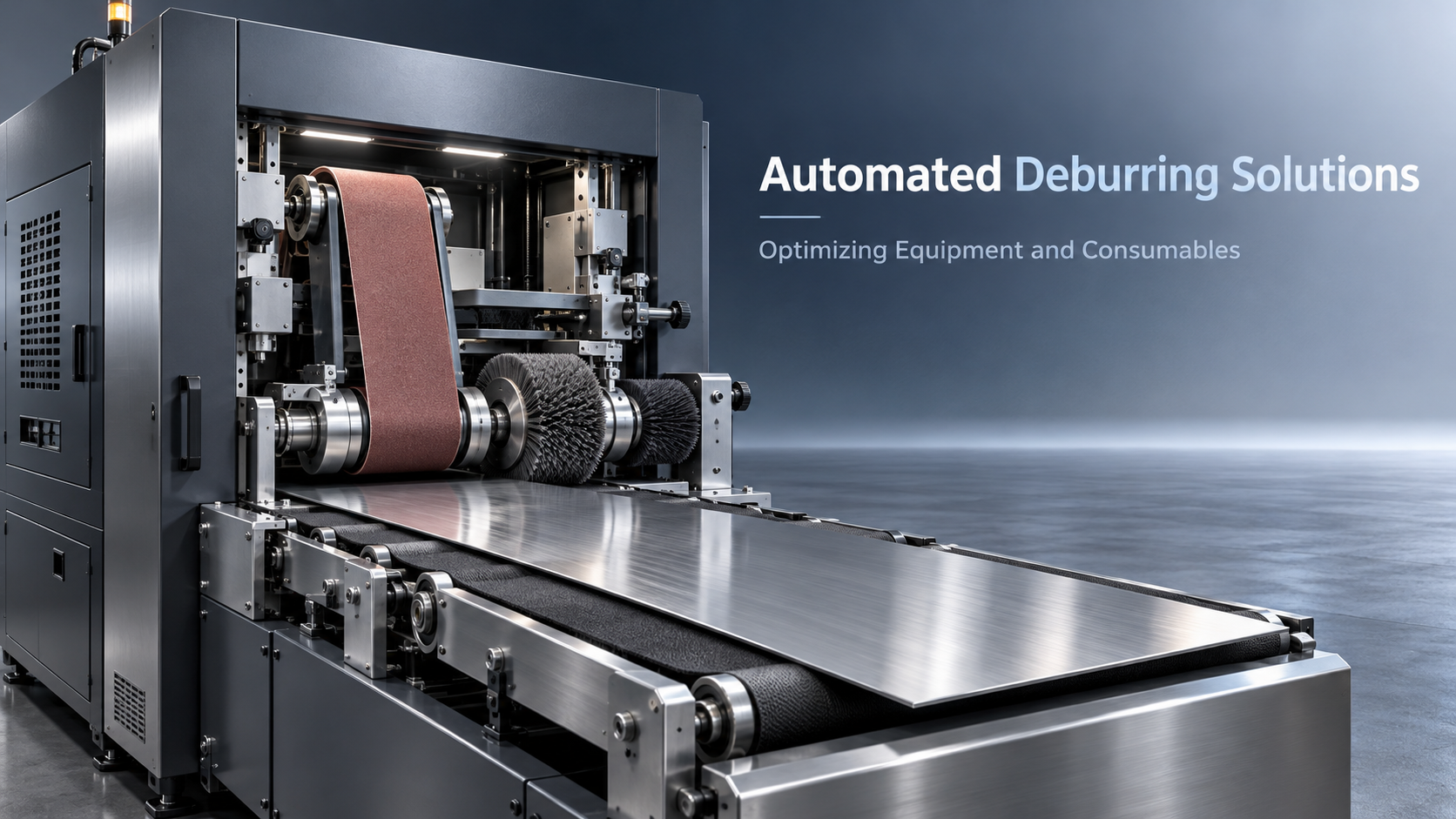
For financial decision-makers, optimizing manufacturing overhead is absolutely critical to maintaining long-term profitability in today's highly competitive global manufacturing market.
Upgrading to an advanced, automated deburring machine can significantly reduce per-part costs by minimizing manual labor expenses and accelerating cycle times.
Furthermore, intelligent automation drastically reduces consumable waste, ensuring that every single dollar spent on abrasive materials yields maximum operational value.
This comprehensive guide explores strategic equipment selections and consumable management tips specifically designed to maximize your overall return on investment.
Ultimately, these strategies ensure consistent high-precision finishes and streamline your sheet metal processing operations for sustainable long-term financial success.
How Automated Equipment Drives Down Per-Part Labor Costs
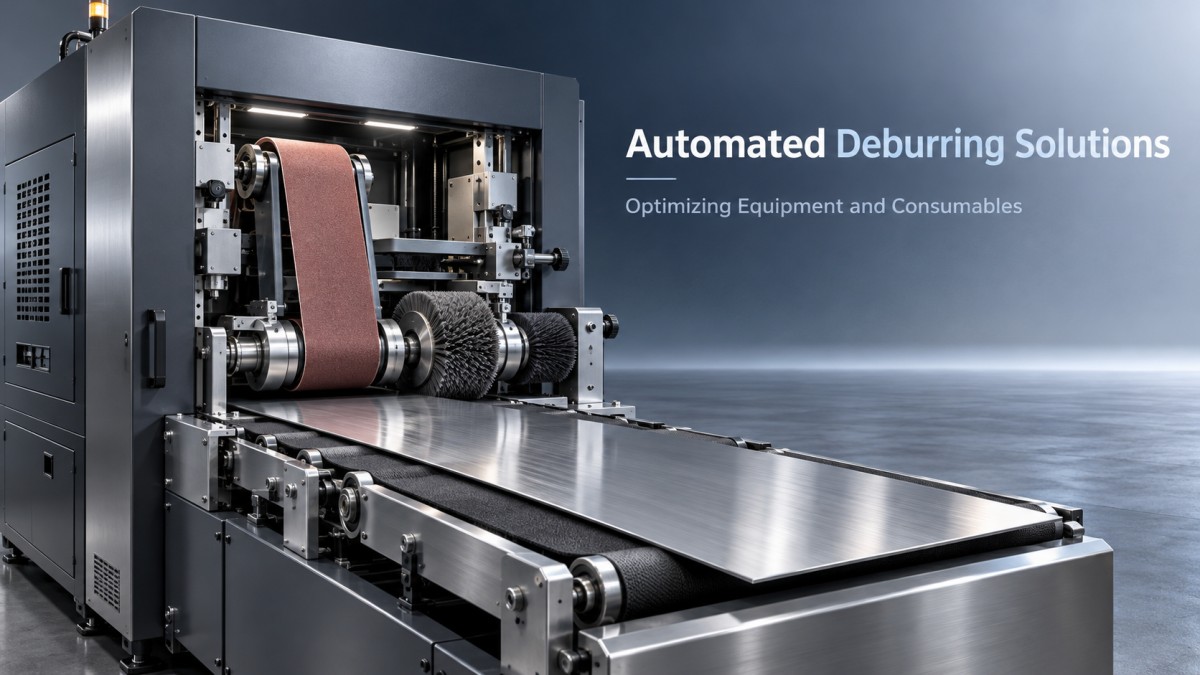
Manual deburring operations often hide significant financial drains within your production facility that are easily overlooked by traditional accounting methods.
High employee turnover, continuous training expenses, and workplace injury risks compound the direct wage costs associated with manual finishing tasks.
By transitioning to an automated deburring machine, manufacturers can drastically reduce the direct labor hours required per individual metal workpiece.
Consistent and predictable cycle times eliminate the natural variability inherent in manual processes, ensuring stable output and reliable labor budgets.
Modern automated solutions like the Edge Rounding DV-RRRP efficiently remove heavy slag and burrs in one single continuous pass.
This comprehensive capability eliminates the need for multiple manual stations, directly translating to substantial and measurable financial overhead reductions.
Operators can simply load the parts and monitor the process, freeing up skilled labor for more value-added daily manufacturing activities.
The complete elimination of manual bottlenecks ensures that downstream assembly and painting processes are never delayed by incomplete edge preparation.
Strategic Equipment Selection for Long-Term ROI
Financial approvers must look far beyond the initial capital expenditure when evaluating new manufacturing technologies for the busy shop floor.
Total cost of ownership dictates true financial value, making energy efficiency, durability, and operational flexibility critical equipment selection criteria.
Equipment featuring variable frequency speed control allows operators to match power consumption precisely to the specific requirements of each task.
Furthermore, machines with independently operating stations prevent unnecessary energy waste when only partial processing or specific edge rounding is needed.
Selecting versatile equipment that easily handles stainless steel, aluminum, brass, and carbon steel maximizes your capital utilization across diverse projects.
The ability to process thicknesses ranging from 0.7mm to 80mm ensures the machine remains relevant as your product mix evolves.
Investing in robust configurations, such as three wide sand belts combined with high-speed rotating roller brushes, guarantees superior long-term performance.
Evaluating the processing width capabilities ensures the machine can handle your largest sheet metal components without requiring any secondary operations.
Machines offering processing widths from 450mm up to 1600mm provide the flexibility needed for diverse and evolving daily production requirements.
Optimizing Consumable Usage to Maximize Margins
Abrasive belts and brush heads represent a continuous operational expense that directly impacts per-part profitability and overall gross profit margins.
Implementing strict consumable management protocols ensures these materials are utilized efficiently without premature degradation, unnecessary replacement, or daily operational waste.
Investing in wear-resistant, high-temperature conveyor belts significantly extends the lifespan of critical material handling components under heavy daily factory use.
Additionally, integrating a powerful 7.5kW filter dust collector captures process dust, protecting abrasive materials from premature clogging and excessive wear.
Adjustable edge rounding processes allow precise material removal, preventing over-grinding and conserving expensive abrasive consumables for every single production batch.
Creating uniform R angles through optimized process settings ensures you never spend money removing more material than is strictly necessary.
Regular maintenance schedules for the roller brushes and sanding belts will further extend their usable life, protecting your operating budget.
Monitoring the wear patterns on your abrasive belts allows for proactive replacements, preventing sudden drops in processing efficiency and quality.
Enhancing Quality to Reduce Rework and Scrap Costs
Poor surface finishes inevitably lead to costly rework, rejected batches, and delayed shipments that severely damage overall operational financial profitability.
Automated systems deliver uniform, 360-degree dead-angle-free deburring that guarantees every single workpiece meets stringent quality standards right the first time.
This level of consistency is virtually impossible to achieve manually, especially when processing complex parts with numerous inner edge holes.
By eliminating human error, manufacturers can drastically reduce the financial losses associated with scrapped materials and expedited replacement shipping costs.
Optional vacuum or magnetic tables ensure secure part holding during processing, preventing surface scratches that would otherwise require expensive re-polishing.
High-precision finishes also improve the adhesion of subsequent powder coating or painting processes, reducing defects in the final assembled product.
Maximizing Equipment Uptime and Minimizing Maintenance Expenses
Unplanned downtime is a silent killer of profitability, directly reducing the overall throughput and increasing the effective per-part manufacturing cost.
Selecting equipment with robust, industrial-grade components ensures higher uptime and reduces the frequency of costly emergency maintenance interventions on site.
Features like independently operating stations mean that if one module requires servicing, the rest of the machine can continue producing.
Easy access to wear parts and simplified belt changing mechanisms drastically reduce the labor hours spent on routine maintenance tasks.
Furthermore, advanced filter dust collection systems not only protect consumables but also keep internal machine components clean, preventing premature failures.
By prioritizing reliability and ease of maintenance in your equipment selection, you protect your production schedule and preserve profit margins.
Conclusion: Making the Financial Case for Automation
Reducing per-part costs in deburring requires a holistic approach encompassing both advanced equipment capabilities and strict daily consumable management.
Automated systems deliver undeniable financial benefits through massive labor reduction, consistent high quality, and highly optimized overall daily resource utilization.
By strategically selecting advanced machinery and managing consumables effectively, manufacturers can secure a strong and sustainable long-term competitive advantage.
Approving these automation upgrades is not merely an operational expense, but a vital strategic investment in long-term corporate financial profitability.
The transition from manual to automated deburring is a strategic financial decision that yields compounding returns over the equipment lifespan.
When evaluating proposals, finance teams should model the payback period based on labor savings, scrap reduction, and increased throughput capacity.
These models consistently demonstrate that the initial capital outlay is quickly recovered through sustained operational efficiencies and lower overall overhead.
Financial decision-makers who embrace intelligent deburring solutions will position their companies for enduring success in a highly demanding global market.
Ultimately, the true cost of manual deburring extends far beyond hourly wages, encompassing hidden expenses that automation effectively eliminates today.
NAVIGATION
Send Us A Message
Please give us a message