


Diagnosing Spindle Vibration Faults in Deburring Machines
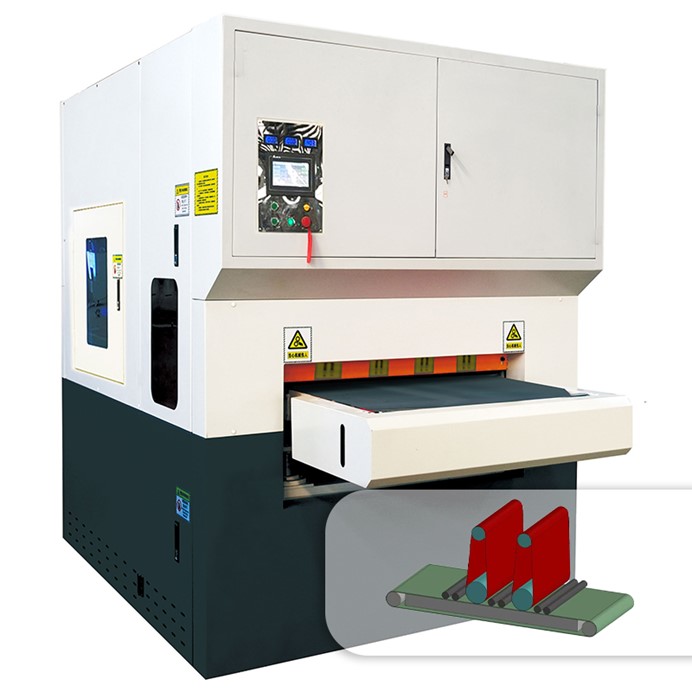
You know the feeling all too well. The production line suddenly halts, the operator points at the finished sheet metal parts covered with ugly chatter marks, and the shift supervisor is impatiently tapping their watch. Spindle vibration in a deburring machine isn't just a minor nuisance; it is a direct hit to surface finish quality and a fast track to premature tool wear. For maintenance technicians, unexpected oscillation means dropping everything to play detective on the shop floor. This guide skips the academic theories and dives straight into the practical, step-by-step diagnostic pathway you need to identify the root cause, minimize downtime, and get the equipment back to delivering high-precision results.
The "Don't Touch the Wrench Yet" Phase
Before you start dismantling the spindle housing or ordering expensive replacement bearings, you must rule out the variables existing outside the machine itself. Sometimes, the culprit is literally riding on the conveyor.
Workpiece and Material Inconsistencies
Are the parts varying wildly in thickness or flatness? A sudden shift in material thickness, especially when processing heavy stainless steel or aluminum plates, can cause momentary resistance that mimics spindle vibration. Check the incoming material. If the sheets are warped, the machine's pressure system might be overcompensating, creating erratic tool engagement.
Conveyor and Vacuum Table Dynamics
If your setup relies on a vacuum table, check for suction loss immediately. A slipping workpiece will cause the abrasive belts to grab and release rhythmically. Inspect the feed belt for wear, proper tension, and debris buildup. A dirty or glazed conveyor belt will slip under load, sending shockwaves through the entire processing zone.
Tracing the Drive System
If the external factors are clear, the vibration is likely propagating from the drive mechanism. This is where you will find the most common, and often the easiest, fixes.
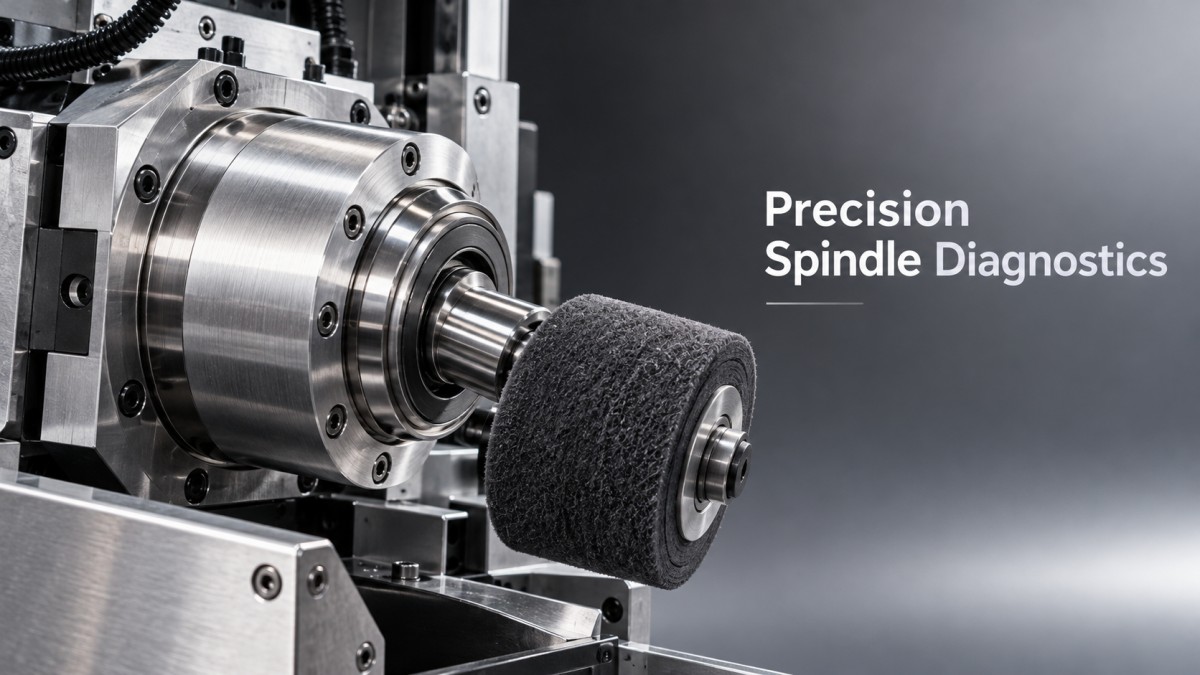
Belt Tension and Condition
This is the most frequent offender. A loose sanding belt will slip and grab, creating a rhythmic thumping. Conversely, an overtightened belt puts excessive radial load on the spindle bearings, causing them to whine and vibrate. Use a proper tension gauge, not just your thumb, to verify the specs. Look closely for glazing, cracks, or uneven wear on the abrasive belts. A belt with uneven thickness will inherently cause vibration.
Pulley Alignment and Motor Couplings
Misaligned pulleys cause the belt to track poorly, generating lateral forces that translate directly into spindle vibration. Check for worn pulley grooves that might not be seating the belt correctly. Furthermore, inspect the motor couplings. A worn spider insert in a jaw coupling or a slightly misaligned direct drive can introduce harmonic vibrations that amplify at specific RPMs.
Deep Dive into the Spindle Assembly
When the drive system checks out, you have to look at the heart of the machine. This is where your technical expertise really matters, and where the stakes are highest.
Bearing Degradation and Lubrication
Listen closely to the spindle housing. A high-pitched whine or a low rumble that changes pitch with spindle speed often points to bearing wear. Use a vibration analyzer to check the frequency spectrum. If you see distinct peaks at the bearing defect frequencies, it is time for a replacement. Do not wait for a catastrophic failure that could score the spindle shaft. Also, verify the lubrication. Over-greasing is just as dangerous as under-greasing; it causes churning, overheating, and thermal expansion that leads to vibration.
Rotor Imbalance and Thermal Growth
Even a tiny amount of metallic debris stuck to the spindle rotor or the tool holder can cause severe imbalance. Clean the taper and the holder meticulously. If the vibration persists, the spindle rotor itself might need dynamic balancing. Additionally, consider thermal growth. After running for a few hours, the spindle expands. If the vibration only appears after a warm-up cycle, it might be a thermal distortion issue requiring preload adjustment or indicating that the bearings are running too hot.
Design Matters: Learning from Advanced Engineering
While troubleshooting is your daily reality, understanding how modern engineering mitigates these issues can fundamentally change how you approach maintenance. Take the Polishing DV-RRF as a prime example. Its configuration with double sanding belts and a polishing roller is engineered with dynamic balance in mind. The dual-belt setup distributes the cutting forces more evenly across the workpiece, significantly reducing the unilateral stress on the spindle bearings that often leads to vibration in traditional single-belt setups. Furthermore, its integrated dust collector port isn't just for keeping the shop floor clean; by efficiently capturing metal particles and abrasive dust, it prevents contaminants from infiltrating the spindle seals. This protects the bearings, extends their operational life, and maintains rotational stability over long shifts. When you service such advanced equipment, keeping the dust extraction system pristine is just as critical as monitoring the spindle bearings.
Maintenance Pitfalls to Avoid
In the rush to restore production and keep the shift supervisor happy, it is easy to make mistakes that cause costly comebacks. Keep these common traps in mind:
- Ignoring the Foundation: A machine is only as stable as the floor it sits on. If the anchor bolts are loose or the concrete foundation is cracked, no amount of spindle balancing will stop the chatter. Always check the machine level and anchor torque before touching the spindle.
- Mixing Processes Improperly: Switching from a coarse deslagging belt to a fine polishing roller without adjusting the spindle speed, feed rate, or oscillation parameters can overload the motor and induce severe vibration. Always refer to the recommended parameters for specific surface finishing tasks.
- Skipping the Run-in Period: After replacing a spindle or bearings, running the machine at full operational speed immediately is a recipe for disaster. Follow a gradual run-in procedure to allow the bearings to seat properly, the lubricant to distribute evenly, and the components to stabilize thermally.
Final Thoughts for the Shop Floor
Diagnosing spindle vibration is part science, part intuition, and a lot of systematic elimination. By starting from the outside environment and working your way into the spindle core, you save time, reduce frustration, and avoid unnecessary part replacements. Remember, a well-maintained deburring machine doesn't just remove burrs, slag, and scale; it delivers the consistent, high-precision finishes that define your shop's reputation. Keep your diagnostic tools calibrated, your troubleshooting logic structured, and your focus on the details. The production line will thank you for it.
NAVIGATION
Send Us A Message
Please give us a message